



From Macrophage Biology to Clinical Development:
HanchorBio Advances the Future of Gastric Cancer Immunotherapy
Taiwan Gastric Cancer Experts Forum connects innate immune biology, FBDB™ platform innovation,
and the early clinical development of HCB101.
[Taipei, Shanghai, San Francisco | August 10, 2026] — HanchorBio, Inc. (TWSE: 7827), a global clinical-stage biotechnology company developing next-generation immunotherapies for oncology and immune-mediated diseases, today announced insights from the “Taiwan Gastric Cancer Experts Forum on Clinical Challenges and Emerging Immunotherapy”, held August 8–9 in Taichung, Taiwan.
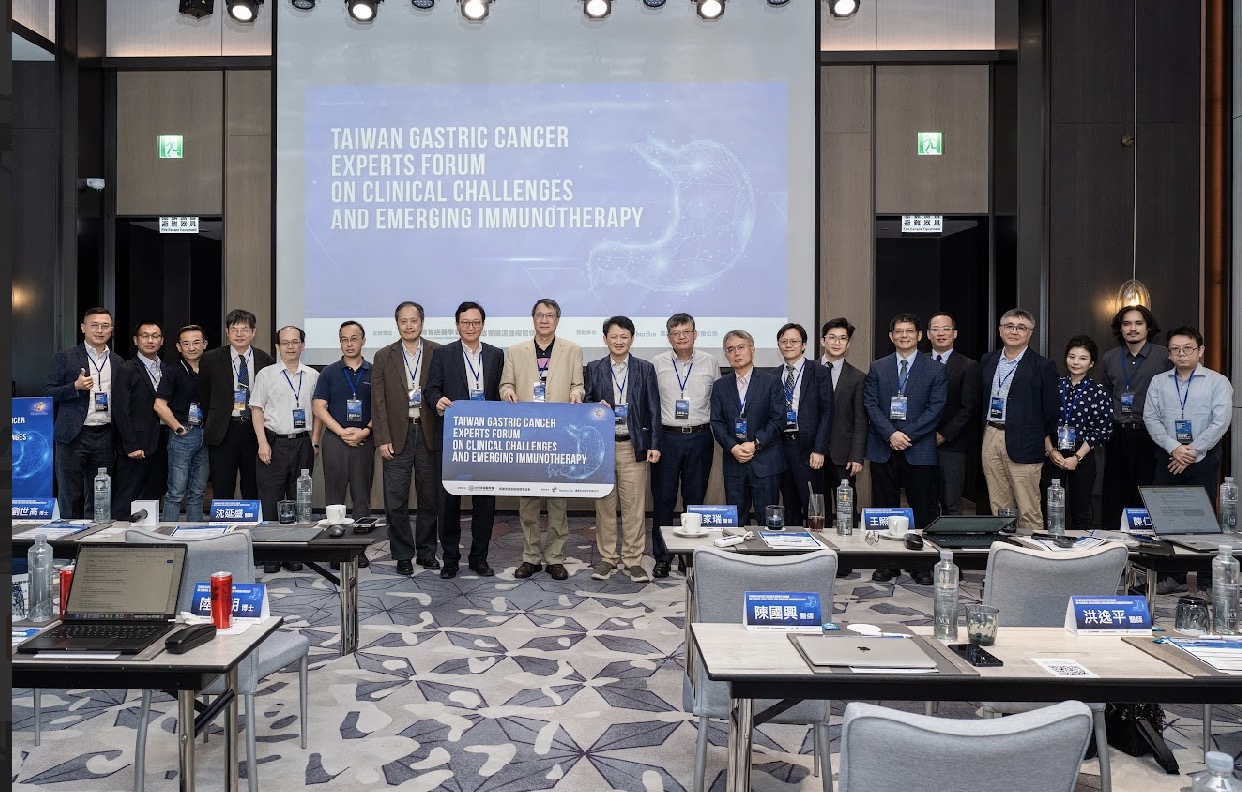
Taiwan Gastric Cancer Experts Forum connects innate immune biology, FBDB platform innovation, and the early clinical development of HCB101.
The two-day forum brought together leading gastric cancer specialists and translational researchers to address a central question shaping the next era of cancer immunotherapy: What comes after PD-1?
While PD-1/PD-L1 therapies have transformed cancer treatment, many patients continue to experience primary or acquired resistance. Discussions throughout the forum explored how overcoming immune resistance may require a deeper understanding of tumor biology, including innate immune suppression, macrophage function, biomarker-driven patient selection, and next-generation therapeutic engineering.
The forum showcased HanchorBio’s integrated development strategy:
Macrophage biology → FBDB™ platform innovation → Early clinical development of HCB101
The forum followed HanchorBio’s August 7 announcement of a strategic collaboration with the Taiwan Cancer Moonshot research team led by Professor Sung-Liang Yu of National Taiwan University, reinforcing the Company’s integrated approach:
Patient Biology → Translational Insight → Clinical Evidence → Development Strategy
“Scientific innovation becomes valuable when clinical evidence helps us understand not only whether a therapy works, but where and why the underlying biology works,” said Scott Liu, PhD, Founder and Chairman of HanchorBio. By connecting patient-derived research, translational science, therapeutic engineering, and clinical development, we aim to build a more precise path from discovery to differentiated medicines. Our goal is to understand which patients may benefit, what biology drives response or resistance, and how emerging evidence should guide future clinical strategies.”
Advancing Innate Immune Checkpoint Biology
Alvin Luk, PhD, MBA, President and CMO (Group) & CEO (USA) of HanchorBio, presented the scientific rationale for “Targeting the SIRPα–CD47 Axis as a Next-Generation Innate Immune Checkpoint.”
The presentation discussed the critical role of macrophages and myeloid-driven immune suppression in shaping the tumor microenvironment, as well as lessons learned from first-generation CD47-directed approaches.
The discussion further explored how engineered SIRPα-based therapeutics may address key challenges in innate immune checkpoint modulation, including biological precision, therapeutic window, receptor occupancy, dosing strategy, and combination potential.
The central message: overcoming immune resistance may require more than activating T cells alone—it requires engaging the innate immune system and harnessing macrophage biology as a critical component of next-generation cancer immunotherapy
Engineering Next-Generation Immunotherapy
Dr. Liu presented “Emerging Innovation in Next-Generation Immunotherapy for Gastric Cancer,” introducing HanchorBio’s FBDB™ platform and its approach to engineering multifunctional biologics designed to integrate complementary immune mechanisms.
The presentation discussed how structural biology, AI-assisted protein engineering, and translational research can guide the development of differentiated therapeutic architectures with combination potential.
The goal is not more targets. It is the right biology, translated into the right therapeutic architecture.
Translating Biology into Clinical Development
Dr. Luk also presented “Early Clinical Development of HCB101,” outlining the program’s clinical rationale, pharmacology, emerging clinical experience, and future development strategy in gastric and gastroesophageal junction cancer.
The presentation covered key translational elements supporting HCB101 development, including safety and tolerability, pharmacokinetics and pharmacodynamics, receptor occupancy, early antitumor activity, durability signals, and future combination strategies.
“Early clinical development is not only about determining whether a molecule shows activity,” said Dr. Luk. “The most valuable data help us understand where the biology works, which treatment settings are most appropriate, and how emerging evidence should guide the next development decision.”
The forum reinforced a shared vision:
The future of immuno-oncology will require a deeper understanding of tumor biology, smarter therapeutic engineering, and disciplined clinical translation.
Advancing HCB101 in Gastric Cancer
HCB101 is HanchorBio’s clinical-stage SIRPα–CD47 program and a lead clinical value driver within the Company’s oncology portfolio.
By targeting innate immune checkpoint biology and engaging macrophage function, HCB101 represents HanchorBio’s effort to translate differentiated immune biology into clinical development.
HanchorBio is evaluating HCB101 across multiple tumor types and treatment combinations, including second-line gastric and gastroesophageal junction cancer.
About HanchorBio
Based in Taipei, Shanghai, and the San Francisco Bay Area, HanchorBio (TWSE: 7827) is a global clinical-stage biotechnology company focused on immuno-oncology and immune-mediated diseases. The Company’s proprietary Fc-based designer biologics (FBDB™) platform enables the engineering of multifunctional biologics with diverse targeting modalities designed to activate innate and adaptive immune pathways and address limitations of current immunotherapies.
HanchorBio is advancing a portfolio of innovative biologics designed to address significant unmet medical needs through differentiated molecular configurations, translational development strategies, and scalable CMC capabilities. For more information, please visit: https://www.HanchorBio.com
Forward-Looking Statements
This press release contains forward-looking statements regarding HanchorBio’s research collaborations, development programs, product candidates, regulatory strategy, and future plans. Actual results may differ materially from those expressed or implied due to various risks and uncertainties, including clinical development outcomes, regulatory interactions, regulatory decisions, protocol development, and market conditions. HanchorBio undertakes no obligation to update forward-looking statements except as required by applicable law.
從巨噬細胞生物學到臨床開發:
漢康生技推進胃癌免疫治療的未來
臺灣胃癌專家論壇串聯先天免疫生物學、FBDB™ 平台創新與 HCB101 早期臨床開發
【台北、上海、舊金山,2026 年 8 月 10 日】-全球臨床階段生技公司漢康生技(TWSE:7827)致力於開發應用於腫瘤及免疫相關疾病的次世代免疫療法,今日分享於 8 月 8 日至 9 日在台中舉行的「臺灣胃癌臨床挑戰暨新興免疫治療專家論壇」重要交流成果與觀點。
為期兩天的論壇匯聚多位胃癌領域專家與轉譯研究學者,共同探討一項牽動下一階段癌症免疫治療發展的核心問題:PD-1 之後,下一步是什麼?
儘管 PD-1/PD-L1 治療已改變癌症治療模式,仍有許多患者面臨原發性或後天性抗藥問題。論壇期間,與會專家深入探討如何透過更全面理解腫瘤生物學,克服免疫治療抗性,包括先天免疫抑制、巨噬細胞功能、生物標記導向的患者篩選,以及下一代治療分子工程等重要方向。
論壇亦呈現漢康生技整合式的開發策略:
巨噬細胞生物學 → FBDB™ 平台創新 → HCB101 早期臨床開發
此次論壇緊接漢康生技於 8 月 7 日宣布與國立臺灣大學俞松良教授所帶領的臺灣癌症登月計畫研究團隊建立戰略合作,再次呼應公司所推動的整合式研發路徑:
患者生物學 → 轉譯洞察 → 臨床證據 → 開發策略
漢康生技創辦人暨董事長劉世高博士表示:「科學創新的真正價值,在於臨床證據不僅能告訴我們治療是否有效,更能協助我們理解其背後的生物學機制在哪些情境下發揮作用,以及為何發揮作用。透過串聯患者來源研究、轉譯科學、治療分子工程與臨床開發,我們希望建立一條更精準的路徑,從科學發現推進至具差異化價值的創新藥物。我們的目標,是進一步了解哪些患者可能受益、哪些生物學機制驅動治療反應或抗藥性,以及如何運用持續累積的證據,指引未來臨床開發策略。」
推進先天免疫檢查點生物學
漢康生技集團總裁暨醫療長、美國子公司執行長陸英明博士於論壇發表「Targeting the SIRPα–CD47 Axis as a Next-Generation Innate Immune Checkpoint」,說明以 SIRPα–CD47 軸作為下一代先天免疫檢查點的科學基礎。
演講探討巨噬細胞與髓系細胞驅動的免疫抑制,在塑造腫瘤微環境中的關鍵角色,並回顧第一代 CD47 導向治療策略所累積的重要經驗。
論壇進一步探討經工程設計的 SIRPα 藥物,如何因應先天免疫檢查點調控中的關鍵挑戰,包括生物學精準度、治療窗口、受體佔有率、劑量策略與聯合治療潛力。
核心觀點在於:克服免疫治療抗性,可能不能僅依賴活化 T 細胞,還必須進一步啟動先天免疫系統,並將巨噬細胞生物學納入下一代癌症免疫治療的重要組成。
打造下一代免疫治療分子
劉世高博士亦發表「Emerging Innovation in Next-Generation Immunotherapy for Gastric Cancer」,介紹漢康生技 FBDB™ 平台,以及公司如何透過分子工程設計多功能生物藥,整合具互補性的免疫作用機制。
演講說明結構生物學、AI 輔助蛋白質工程與轉譯研究,如何共同指引具差異化分子架構及聯合治療潛力的新型療法開發。
重點不在於增加更多靶點,而是找到正確的生物學機制,並將其轉化為正確的治療分子架構。
將生物學轉化為臨床開發策略
陸英明博士亦以「Early Clinical Development of HCB101」為題,說明 HCB101 的臨床開發科學基礎、藥理特性、目前累積的早期臨床經驗,以及未來於胃癌與胃食道接接部癌的開發策略。
演講涵蓋支持 HCB101 臨床開發的重要轉譯元素,包括安全性與耐受性、藥物動力學與藥效動力學、受體佔有率、早期抗腫瘤活性、療效持久性驗證,以及未來聯合治療策略。
陸英明博士表示:「早期臨床開發不只是確認一個分子是否展現治療活性。最有價值的數據,是能幫助我們理解這項生物學機制在哪些情境下有效、哪些治療場景最為合適,以及如何依據持續累積的證據,做出下一階段的開發決策。」
此次論壇進一步凝聚一項共同願景:
免疫腫瘤治療的未來,需要更深入理解腫瘤生物學、更精準的治療分子工程,以及嚴謹且有紀律的臨床轉譯。
推進 HCB101 於胃癌的臨床開發
HCB101 為漢康生技臨床階段的 SIRPα–CD47 核心產品,亦為公司腫瘤產品組合中的主要臨床價值驅動項目之一。
透過鎖定先天免疫檢查點生物學並調控巨噬細胞功能,HCB101 代表漢康生技將差異化免疫生物學轉化至臨床開發的重要實踐。
目前漢康生技正於多種腫瘤類型及不同聯合治療方案中評估 HCB101,包括二線胃癌及胃食道接合部癌。
關於漢康生技:
漢康生技(HanchorBio,TWSE:7827)布局台北、上海與舊金山灣區,是一家全球臨床階段生技公司,專注於腫瘤免疫與免疫相關疾病創新療法的開發。公司專有的FBDB多功能融合蛋白技術平台(FBDB™)平台,可設計具多元靶向模式的多功能生物藥,同時活化先天性與適應性免疫路徑,以突破現有免疫療法的限制。
漢康生技持續推進多項創新生物藥產品,透過差異化分子設計、轉譯開發策略及可規模化的 CMC 能力,滿足尚未被充分滿足的重大醫療需求。
聲明:
本新聞稿及同時發佈之相關資訊內含有預測性敘述;其內容乃根據既有之風險及可能的不確定性進行判斷及預測,包括:市場因素與其他非漢康-KY(以下簡稱本公司)所能掌控之原因。這些預測性敘述是基於現況的預測和評估,除非基於法律的要求,本公司不負日後更新之責。