



From Macrophage Biology to Clinical Development:
HanchorBio Advances the Future of Gastric Cancer Immunotherapy
Taiwan Gastric Cancer Experts Forum connects innate immune biology, FBDB™ platform innovation,
and the early clinical development of HCB101.
[Taipei, Shanghai, San Francisco | August 10, 2026] — HanchorBio, Inc. (TWSE: 7827), a global clinical-stage biotechnology company developing next-generation immunotherapies for oncology and immune-mediated diseases, today announced insights from the “Taiwan Gastric Cancer Experts Forum on Clinical Challenges and Emerging Immunotherapy”, held August 8–9 in Taichung, Taiwan.
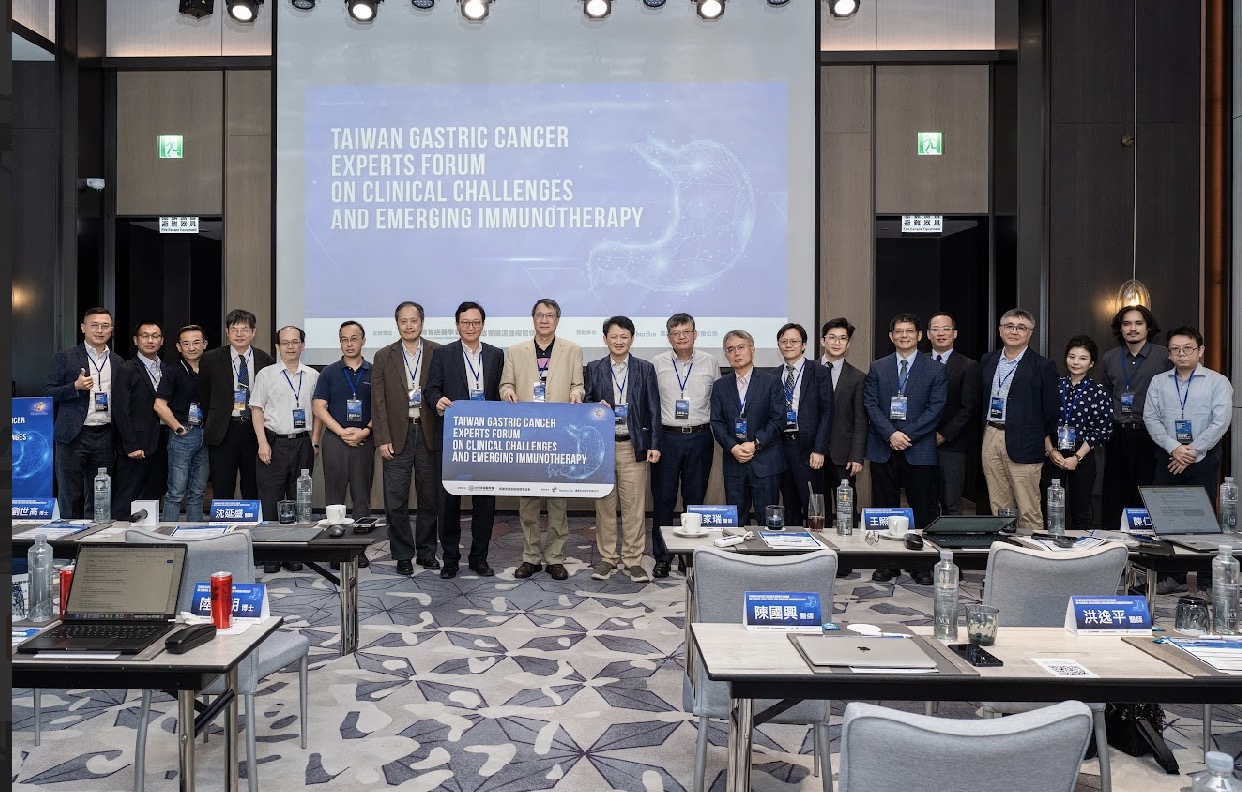
Taiwan Gastric Cancer Experts Forum connects innate immune biology, FBDB platform innovation, and the early clinical development of HCB101.
The two-day forum brought together leading gastric cancer specialists and translational researchers to address a central question shaping the next era of cancer immunotherapy: What comes after PD-1?
While PD-1/PD-L1 therapies have transformed cancer treatment, many patients continue to experience primary or acquired resistance. Discussions throughout the forum explored how overcoming immune resistance may require a deeper understanding of tumor biology, including innate immune suppression, macrophage function, biomarker-driven patient selection, and next-generation therapeutic engineering.
The forum showcased HanchorBio’s integrated development strategy:
Macrophage biology → FBDB™ platform innovation → Early clinical development of HCB101
The forum followed HanchorBio’s August 7 announcement of a strategic collaboration with the Taiwan Cancer Moonshot research team led by Professor Sung-Liang Yu of National Taiwan University, reinforcing the Company’s integrated approach:
Patient Biology → Translational Insight → Clinical Evidence → Development Strategy
“Scientific innovation becomes valuable when clinical evidence helps us understand not only whether a therapy works, but where and why the underlying biology works,” said Scott Liu, PhD, Founder and Chairman of HanchorBio. By connecting patient-derived research, translational science, therapeutic engineering, and clinical development, we aim to build a more precise path from discovery to differentiated medicines. Our goal is to understand which patients may benefit, what biology drives response or resistance, and how emerging evidence should guide future clinical strategies.”
Advancing Innate Immune Checkpoint Biology
Alvin Luk, PhD, MBA, President and CMO (Group) & CEO (USA) of HanchorBio, presented the scientific rationale for “Targeting the SIRPα–CD47 Axis as a Next-Generation Innate Immune Checkpoint.”
The presentation discussed the critical role of macrophages and myeloid-driven immune suppression in shaping the tumor microenvironment, as well as lessons learned from first-generation CD47-directed approaches.
The discussion further explored how engineered SIRPα-based therapeutics may address key challenges in innate immune checkpoint modulation, including biological precision, therapeutic window, receptor occupancy, dosing strategy, and combination potential.
The central message: overcoming immune resistance may require more than activating T cells alone—it requires engaging the innate immune system and harnessing macrophage biology as a critical component of next-generation cancer immunotherapy
Engineering Next-Generation Immunotherapy
Dr. Liu presented “Emerging Innovation in Next-Generation Immunotherapy for Gastric Cancer,” introducing HanchorBio’s FBDB™ platform and its approach to engineering multifunctional biologics designed to integrate complementary immune mechanisms.
The presentation discussed how structural biology, AI-assisted protein engineering, and translational research can guide the development of differentiated therapeutic architectures with combination potential.
The goal is not more targets. It is the right biology, translated into the right therapeutic architecture.
Translating Biology into Clinical Development
Dr. Luk also presented “Early Clinical Development of HCB101,” outlining the program’s clinical rationale, pharmacology, emerging clinical experience, and future development strategy in gastric and gastroesophageal junction cancer.
The presentation covered key translational elements supporting HCB101 development, including safety and tolerability, pharmacokinetics and pharmacodynamics, receptor occupancy, early antitumor activity, durability signals, and future combination strategies.
“Early clinical development is not only about determining whether a molecule shows activity,” said Dr. Luk. “The most valuable data help us understand where the biology works, which treatment settings are most appropriate, and how emerging evidence should guide the next development decision.”
The forum reinforced a shared vision:
The future of immuno-oncology will require a deeper understanding of tumor biology, smarter therapeutic engineering, and disciplined clinical translation.
Advancing HCB101 in Gastric Cancer
HCB101 is HanchorBio’s clinical-stage SIRPα–CD47 program and a lead clinical value driver within the Company’s oncology portfolio.
By targeting innate immune checkpoint biology and engaging macrophage function, HCB101 represents HanchorBio’s effort to translate differentiated immune biology into clinical development.
HanchorBio is evaluating HCB101 across multiple tumor types and treatment combinations, including second-line gastric and gastroesophageal junction cancer.
About HanchorBio
Based in Taipei, Shanghai, and the San Francisco Bay Area, HanchorBio (TWSE: 7827) is a global clinical-stage biotechnology company focused on immuno-oncology and immune-mediated diseases. The Company’s proprietary Fc-based designer biologics (FBDB™) platform enables the engineering of multifunctional biologics with diverse targeting modalities designed to activate innate and adaptive immune pathways and address limitations of current immunotherapies.
HanchorBio is advancing a portfolio of innovative biologics designed to address significant unmet medical needs through differentiated molecular configurations, translational development strategies, and scalable CMC capabilities. For more information, please visit: https://www.HanchorBio.com
Forward-Looking Statements
This press release contains forward-looking statements regarding HanchorBio’s research collaborations, development programs, product candidates, regulatory strategy, and future plans. Actual results may differ materially from those expressed or implied due to various risks and uncertainties, including clinical development outcomes, regulatory interactions, regulatory decisions, protocol development, and market conditions. HanchorBio undertakes no obligation to update forward-looking statements except as required by applicable law.